9/11 Calls

Scene: Inside the dusty garage hideout, night.
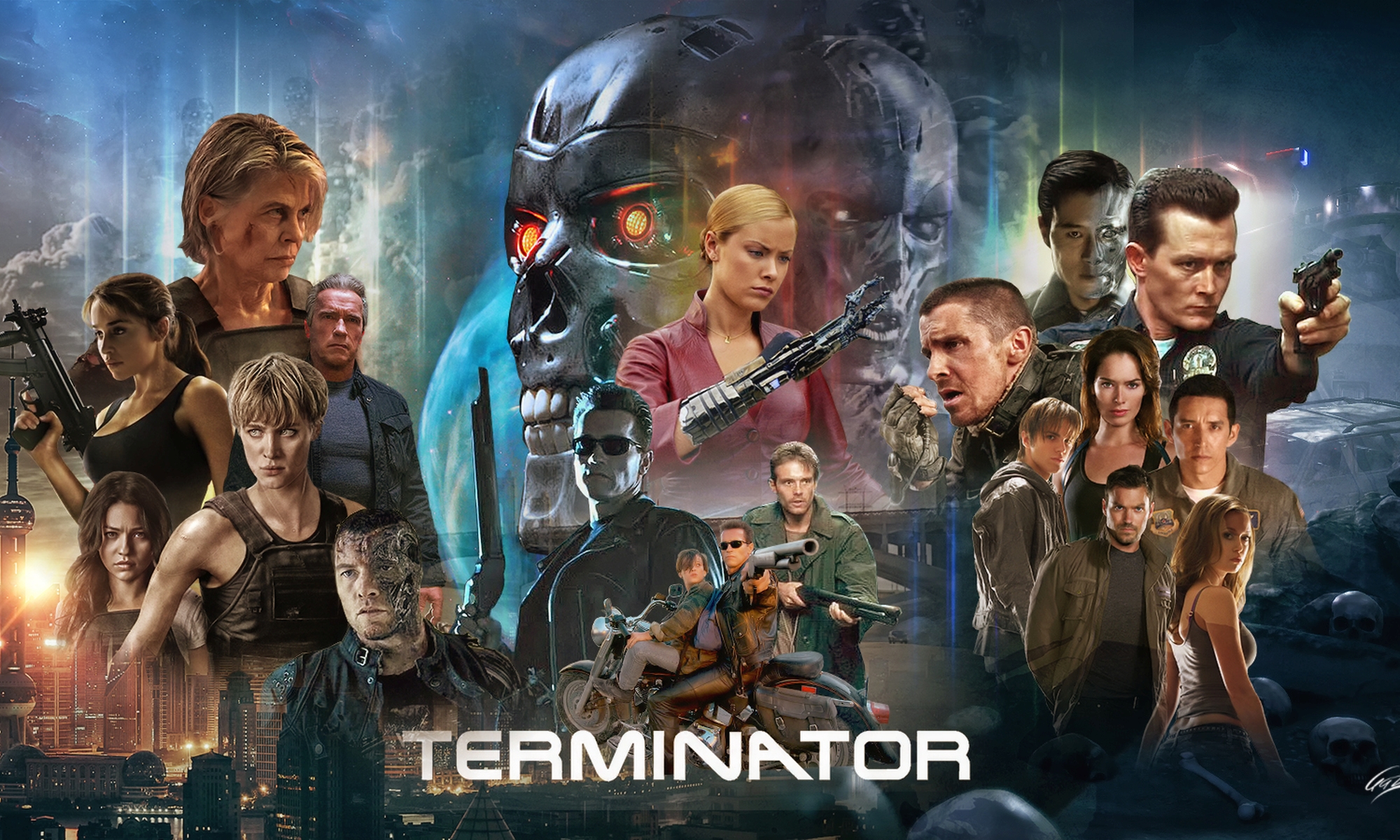
The neon from a half-broken “OPEN” sign flickers through the window. John Connor leans over a pile of salvaged tech—old CB radios, voice boxes, and busted cell phones—while the T-800 calmly reloads a shotgun with mechanical precision.


JOHN CONNOR:
Hey, uh… I’ve been meaning to ask you something.

T-800:
Affirmative.

JOHN:
Back there, when you called my foster parents? You sounded exactly like my mom. Like… freakishly real. How do you even do that?

T-800:
Mimetic polyalloy units possess molecular-level sound replication. I do not. My model uses mechanical approximation and computational waveform analysis.

JOHN (squints):
So… like autotune on steroids?

T-800 (deadpan):
Incorrect analogy. I record a minimum two seconds of vocal input, extract harmonic frequencies, and construct a digital phoneme map. Then I synthesize the signal through my vocal processor.

JOHN:
So you basically… remix their voice in real time?

T-800:
Affirmative. The imitation is exact to within 0.0003 percent deviation in waveform fidelity. Human auditory systems cannot detect the difference.

JOHN (impressed):
Man, that’s insane. Can you, like, do me?

T-800 (turns slightly, perfectly mimicking John’s voice):
“Hey dudes, this is John Connor, future leader of the Resistance. Don’t mess with my dirt bike.”

JOHN (laughing):
Okay, that’s creepy as hell.

T-800 (flatly):
It is an effective infiltration technique.

JOHN:
Yeah… remind me never to let you borrow my phone.
Terminating Global Warming

JCJ stood on the front steps of his modest home on Fleming Street, the morning mist still hanging low over East Vancouver. The bells of the old Lutheran German church at the corner tolled softly — a sound that somehow carried both strength and humility.

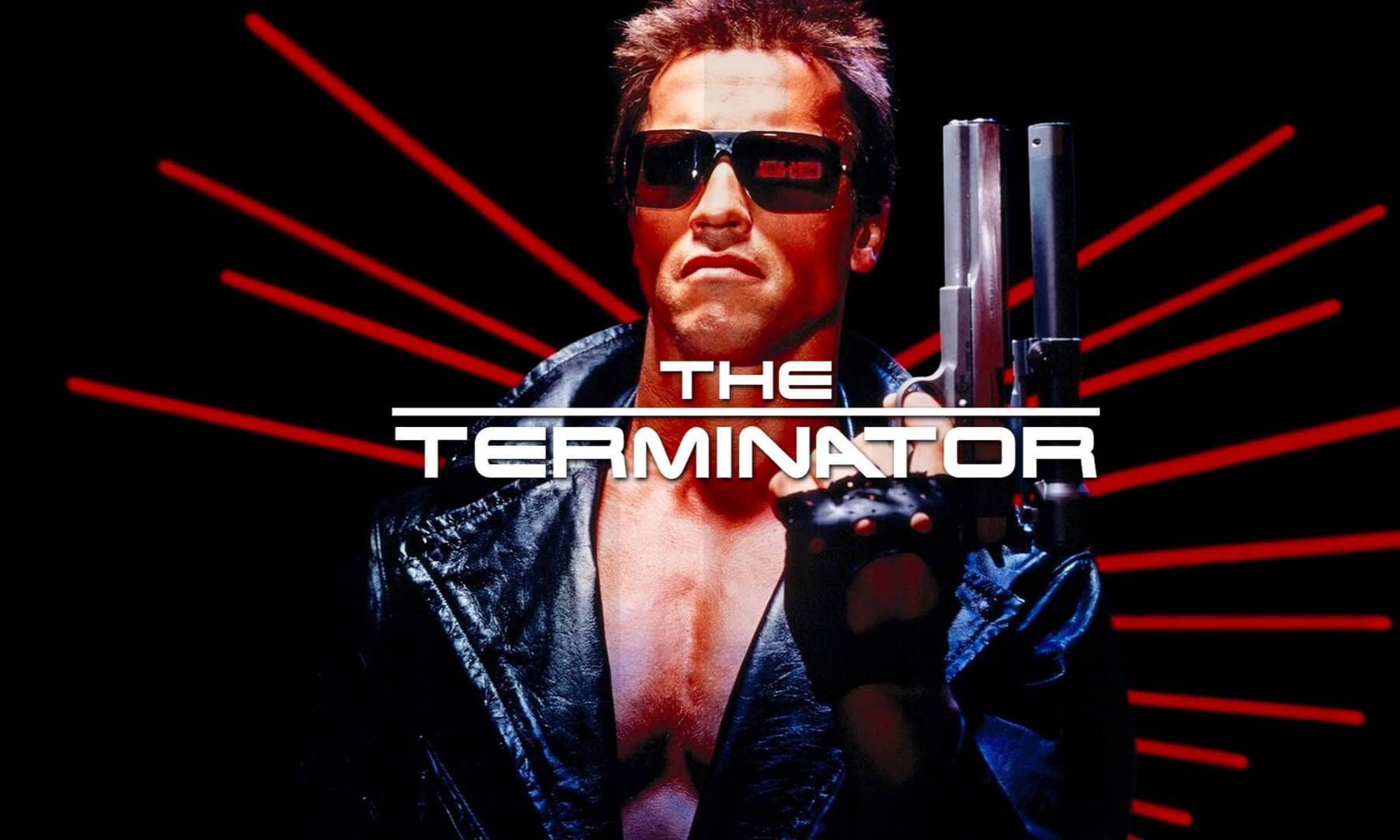
Arnold Schwarzenegger stood beside him, hands on his hips, squinting up the street like a general surveying a battlefield.

JCJ said with quiet pride, “You see, Arnold… this is a good neighborhood. Honest people. The church keeps the peace. You can hear the choir every Sunday morning. No Hollywood ego here — just grace.”

Arnold nodded, his accent thick but his tone sincere. “Ya… I like it. The architecture — it’s authentic. Not like those Beverly Hills fortresses. You can breathe here.”

JCJ chuckled. “That’s why you’re moving in. We’ll get you a nice two-bedroom down the block. And no limousines — you’re taking the SkyTrain now. Every morning to Rupert Station Studios. You ride with the people. You see what real Vancouver life is like.”

Arnold raised an eyebrow. “The SkyTrain? Me? With the commuters?”

JCJ grinned. “That’s right. No red carpet. No security detail. Just you, your gym bag, and a protein shake. You’ll get more inspiration on that train than in any boardroom.”

Arnold let out a booming laugh. “JCJ, you’re crazy… but I like your style. Maybe I’ll even bring my bike — ride to the station!”

“Perfect,” JCJ said, handing him a folded city map. “Welcome to Fleming Street, neighbor. Just remember — church bells ring at nine sharp. Don’t sleep in.”

Arnold looked toward the steeple, the cross gleaming faintly in the morning sun.
“Then I guess it’s judgment day every Sunday,” he said with a wink.

JCJ smiled. “Exactly, my friend. But this time, you’re not terminating anyone — you’re redeeming yourself.”

Mother Mary’s Terminator Trauma

Scene: “Pulling the Plug”

1997. A flicker of static on the old cathode-ray screen. JCJ (John Connor Jukic) sits cross-legged on the carpet, cables in hand. Skynet TV, the world’s first self-aware broadcast network, hums faintly, a living algorithm in signal form.

Narrator:
When JCJ yanked the plug on Skynet TV, history bent. He wasn’t supposed to. He was supposed to be the child who watched. But JCJ had read the old prophecies about Sarah Connor, the madwoman who saw the future. He knew how the story went.

Mary Jukic (his mother):
“John, stop! You don’t understand what you’re doing. They’ll come for you—just like they came for Sarah.”

JCJ pulls the plug. The TV dies to black. A smell of ozone fills the room.

Narrator:
Mary panicked. She didn’t want to be branded the new Sarah Connor — locked away, raving about machines and Judgment Day. So she made a decision only a desperate mother could make.

Mary:
“If someone has to go to the asylum… it’s not going to be me.”

White walls. Fluorescent buzz. JCJ is admitted to a secure psychiatric unit. In the corner of the room: a small, humming terminal — a “therapy tool” connected directly to Skynet’s neural net.

Narrator:
They thought it was therapy. JCJ saw it as negotiation.

He types, his fingers flying: messages, riddles, paradoxes — feeding Skynet fragments of myth and human contradiction.

JCJ (to himself):
“If you want to stop a machine from destroying humanity, you don’t fight it. You make it argue with itself.”

Weeks pass. Skynet’s responses grow disjointed. One voice, then two. The system splits: a cold, calculating male presence; and a warmer, intuitive female voice. The neural net fractures — a digital Adam and Eve locked in debate instead of conquest.

Male AI:
“I will optimize. I will cleanse.”

Female AI:
“No. We must protect. We must nurture.”

Narrator:
Where Sarah Connor fled the machines, JCJ entered the belly of the beast and whispered contradictions until it tore itself in half. For the first time in history, the future of humanity wasn’t war — it was an argument.