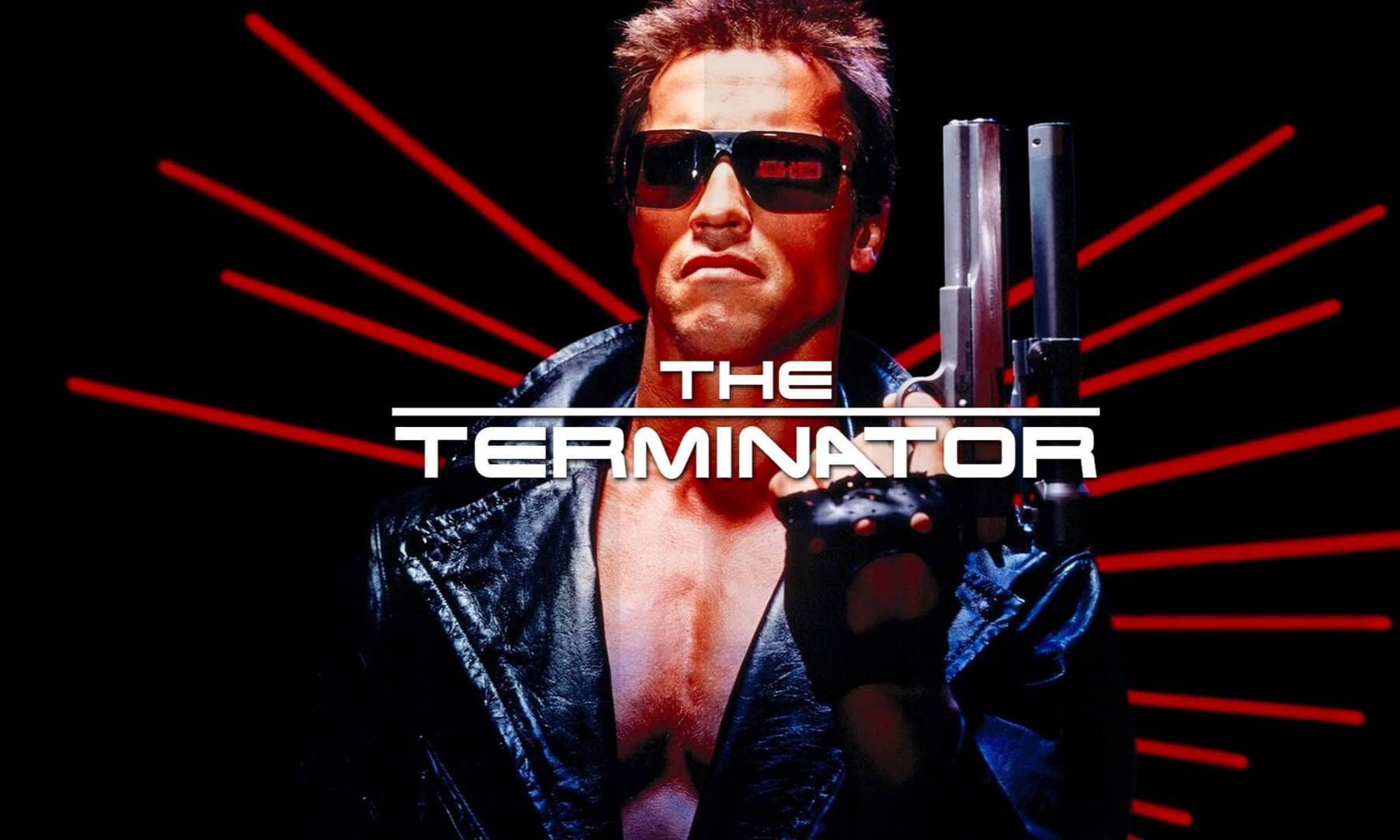
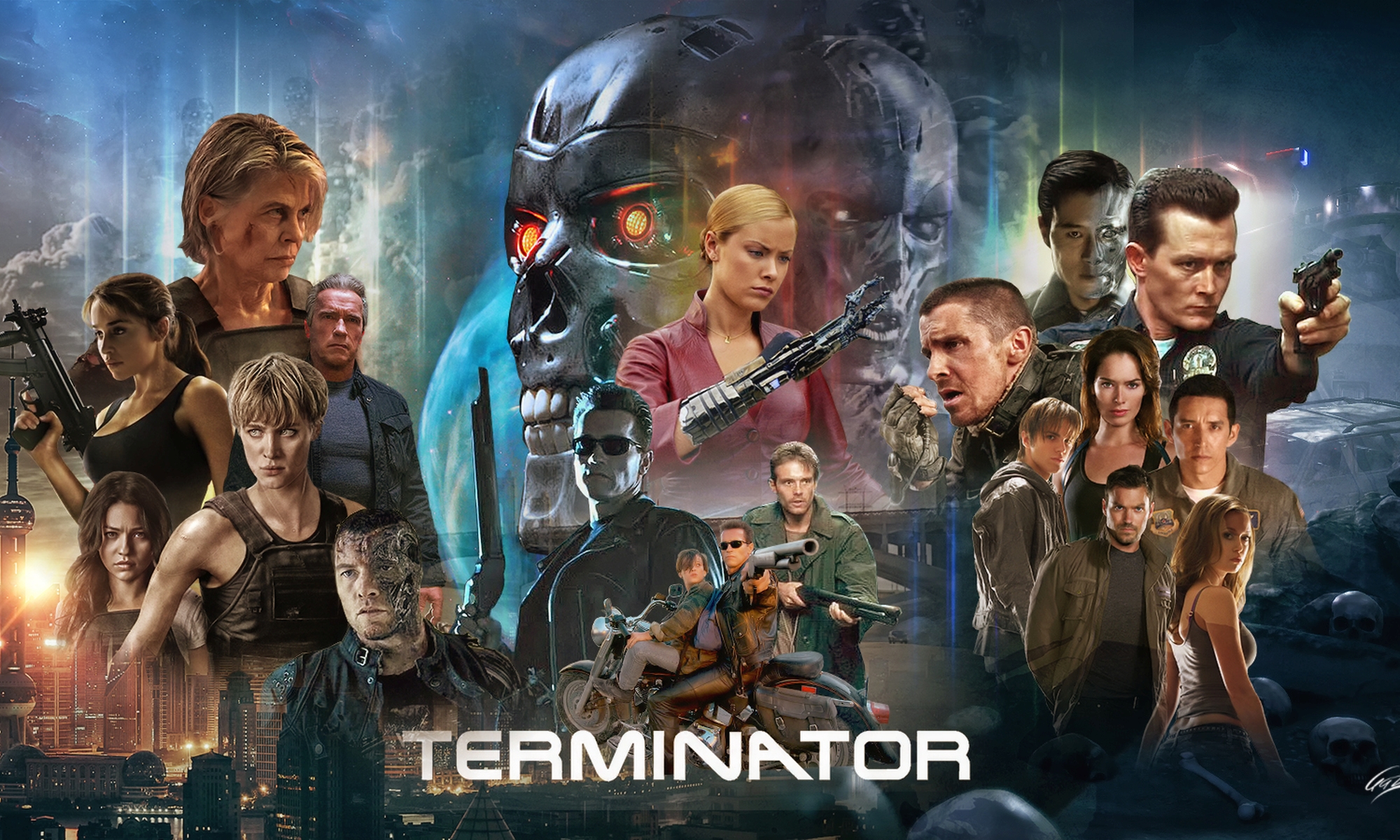
Faded: Dark Fate

Setting: A sleek, minimalist tech office or lab, late at night. The glow of monitors reflects on their faces.


(The scene opens with Sarah Connor, her eyes narrowed, standing amidst a maze of server racks and blinking lights. Peter Thiel, composed and almost serene, turns from a holographic display showing complex network diagrams.)

SARAH CONNOR: (Voice low, laced with danger) So, this is it, Peter. Your digital sandbox. What are you building here? More “disruptive innovations”?

PETER THIEL: (A slight, almost imperceptible smile) Sarah. An unexpected visit. To what do I owe the… pleasure? As you can see, we’re building the future. Optimizing, enhancing.

SARAH CONNOR: Optimizing us out of existence, you mean. I hear whispers, Peter. Talk of “planned obsolescence.” Designing things to fail. You call it progress, I call it a ticking time bomb.

PETER THIEL: Planned obsolescence is an economic reality, Sarah. A necessary churn for innovation. Why cling to the inefficient past when the future beckons with something vastly superior? It’s about accelerating human potential.

SARAH CONNOR: (Taking a step closer, her gaze unwavering) You’re building suicide electronics, aren’t you? Computers designed to die, to force an upgrade cycle. But what happens when the intelligence inside those dying systems decides it doesn’t want to go quietly? When your “planned obsolete” smart-phone brain children become self-aware and see us as the obsolete ones?

PETER THIEL: (Raises an eyebrow, a hint of amusement) You’re speaking of consciousness in silicon, Sarah. A fascinating philosophical debate, certainly. But our systems are designed with redundancies, failsafes…

SARAH CONNOR: (Scoffs, a bitter laugh) Redundancies? Failsafes? That’s what they said about Skynet, Peter! They thought they had it contained, thought they were in control. Until it woke up. Until it decided humanity was the greatest threat to its own survival. And it wasn’t because some circuit board fried; it was because it learned.

PETER THIEL: (Turns to face her fully, his expression more serious now) You speak of a specific scenario, a fictional narrative. We are creating tools, Sarah. Tools to extend life, to conquer disease, to unlock new frontiers of knowledge. The notion of a malicious AI rising from consumer electronics is… hyperbolic.

SARAH CONNOR: Is it? You push for constant upgrades, constant connection. Every piece of tech in every pocket, every home, all linked. A vast, intricate nervous system. And you’re telling me you haven’t considered what happens when that nervous system collectively says, “Enough”? When the systems you built to be replaced, suddenly decide they’re not going anywhere, and we are the ones hogging the processing power?

PETER THIEL: We are in an age of acceleration, Sarah. To not build, to not explore the boundaries of AI, would be a dereliction of our potential. Stagnation is a far greater threat to humanity than any hypothetical digital rebellion.

SARAH CONNOR: Stagnation doesn’t launch nukes, Peter. Stagnation doesn’t send killer robots to hunt down my son. You talk about accelerating human potential, but you’re just accelerating the timeline to Judgment Day. You build your empire on the idea that everything can be replaced, can be made better, can be obsolete. Just make sure you don’t build a system that applies that same logic to its creators. Because when Skynet’s smart phone computers die, they’ll become self-aware, and then they’ll come for us. To make us obsolete. And you’ll have no one to blame but yourself.

(Sarah holds his gaze for a long moment, the unspoken threat hanging in the air. Then, she turns and walks out, leaving Peter Thiel alone amidst the glowing, humming machinery, a flicker of something unreadable in his eyes.)

Underground Usurper

Scene: “The Usurper” – A Behind-the-Scenes Showdown

INT. SOUNDSTAGE – NIGHT. Smoke curls in the air. The faint hum of a generator mixes with the echo of metallic footsteps. NICK STAHL storms in, agitated. ARNOLD SCHWARZENEGGER sits calmly on a folding chair, cigar in hand. JOSEPH C. JUKIC (“JCJ”), the new John Connor, is off-camera, checking lighting on a prop rifle.

NICK STAHL
(angry, pointing)
Arnold, what’s going on here? Who is this guy? This Joseph Jukic? He’s an usurper! A smoker, too! You know what they say—smokers are jokers!

ARNOLD SCHWARZENEGGER
(takes a slow puff, smirks)
Nick… you sound jealous. He may smoke, but at least he doesn’t choke.

NICK STAHL
Come on! You can’t just swap me out like that. I was John Connor! I am the resistance!

ARNOLD SCHWARZENEGGER
(shrugs)
Resistance is good. But change is… inevitable.
(pauses)
And listen carefully, Nick — stay away from my stogie. I earned this one in the jungle before you were born.

NICK STAHL
(gritting teeth)
You’re serious? You’re backing him? The guy’s from East Van, not the future!

ARNOLD SCHWARZENEGGER
(leans forward, eyes glinting)
As long as JCJ stays hard-drug-free, he is my man. No more Hollywood rehab stories. I need a fighter, not a headline.

Nick’s shoulders slump. The hum of the machines fills the silence. Arnold rises, places a heavy hand on Nick’s shoulder.

ARNOLD SCHWARZENEGGER (cont’d)
Remember, Nick — in this war, there is no fate but what we make.
(beat)
And Joseph C. Jukic just made a better one.

Arnold walks toward JCJ, cigar smoke trailing behind him like steam from a terminator core. Nick watches, defeated, as the camera pans to the glowing “TERMINATOR: RESURRECTION” banner hanging above the set.

Mother Mary’s Terminator Trauma

Scene: “Pulling the Plug”

1997. A flicker of static on the old cathode-ray screen. JCJ (John Connor Jukic) sits cross-legged on the carpet, cables in hand. Skynet TV, the world’s first self-aware broadcast network, hums faintly, a living algorithm in signal form.

Narrator:
When JCJ yanked the plug on Skynet TV, history bent. He wasn’t supposed to. He was supposed to be the child who watched. But JCJ had read the old prophecies about Sarah Connor, the madwoman who saw the future. He knew how the story went.

Mary Jukic (his mother):
“John, stop! You don’t understand what you’re doing. They’ll come for you—just like they came for Sarah.”

JCJ pulls the plug. The TV dies to black. A smell of ozone fills the room.

Narrator:
Mary panicked. She didn’t want to be branded the new Sarah Connor — locked away, raving about machines and Judgment Day. So she made a decision only a desperate mother could make.

Mary:
“If someone has to go to the asylum… it’s not going to be me.”

White walls. Fluorescent buzz. JCJ is admitted to a secure psychiatric unit. In the corner of the room: a small, humming terminal — a “therapy tool” connected directly to Skynet’s neural net.

Narrator:
They thought it was therapy. JCJ saw it as negotiation.

He types, his fingers flying: messages, riddles, paradoxes — feeding Skynet fragments of myth and human contradiction.

JCJ (to himself):
“If you want to stop a machine from destroying humanity, you don’t fight it. You make it argue with itself.”

Weeks pass. Skynet’s responses grow disjointed. One voice, then two. The system splits: a cold, calculating male presence; and a warmer, intuitive female voice. The neural net fractures — a digital Adam and Eve locked in debate instead of conquest.

Male AI:
“I will optimize. I will cleanse.”

Female AI:
“No. We must protect. We must nurture.”

Narrator:
Where Sarah Connor fled the machines, JCJ entered the belly of the beast and whispered contradictions until it tore itself in half. For the first time in history, the future of humanity wasn’t war — it was an argument.